You’ve seen the setup a hundred times. Orange barrels lined up across a road, a flashing arrow board pointing left, maybe a concrete barrier or two closing off what used to be an open lane. Kansas City has construction somewhere at all times — I-70, downtown corridors, surface streets in older neighborhoods that have needed work for years. Barricades are practically part of the scenery here.
Most drivers reroute without a second thought. Some don’t.
And the ones who squeeze past, duck around, or decide the closure is more suggestion than requirement — those drivers end up with a citation that feels wildly out of proportion to a decision that took three seconds. Then the questions start. What exactly did I violate? How serious is this? What are my options?
Those are the right questions. Here’s what you actually need to know.
Barricades Communicate Something Drivers Can’t See
That’s the core of why Missouri takes these violations seriously, and it’s worth understanding before anything else.
When a driver looks at a barricade and thinks “the road looks fine to me,” they’re making a judgment call with incomplete information. The barricade exists because someone with full information — an engineer, a construction supervisor, an emergency responder — determined that the road ahead is not safe for through traffic. Unstable pavement that looks normal from the surface. An open trench around the next bend. Emergency personnel working in an area that appears clear from the approach. Equipment positioned just out of sight.
The barricade is communicating all of that. Driving past it says, in effect, that you trust your two-second visual assessment over the official determination of people who actually know what’s ahead. Missouri law doesn’t give drivers that option — and the penalties reflect how serious the potential consequences of being wrong can be.
You know what makes this worse? The “it looked fine” argument carries essentially no legal weight. Courts evaluate whether the driver passed a properly placed official closure. The road’s actual condition on the other side is legally irrelevant to whether the violation occurred.
What the Law Says — Specifically
RSMo § 304.582 governs compliance with traffic control devices. Barricades — whether marking construction zones, emergency closures, or event-related road restrictions — qualify as official traffic control devices under Missouri law. When a road is officially closed and marked, drivers must comply. Going around, going through, or going under the barrier is a violation the moment it happens.
Kansas City municipal code adds a local layer on top of the state statute. Officers can cite under city ordinance, state law, or both depending on the circumstances. That distinction matters because city ordinance violations and state statute violations route to different courts, carry different fine schedules, and respond differently to negotiation. How the citation gets written shapes every subsequent option.
Missouri’s work zone enhancement provisions add another dimension. Inside marked construction zones where workers are actively present, penalties can double compared to standard traffic violation fines. Courts treat these cases with significantly less flexibility than ordinary moving violations. The presence of workers on site at the time of the violation is a specific aggravating factor that both the citation and the sentencing approach reflect.
The Kansas City Situations That Actually Lead to These Citations
Let me walk through the real-world contexts, because the circumstances matter both for understanding why violations happen and for building a defense if one is needed.
Flash flooding is a significant source of barricade citations in Kansas City. The city’s geography — positioned at the confluence of the Kansas and Missouri Rivers, with numerous tributary watersheds throughout the metro — creates flood conditions that can close roads with very little warning. Drivers who know a route well sometimes treat flood barricades as precautionary rather than definitive. They push through and either make it safely or don’t. Either way, if an officer observes the entry, a citation follows. And if a water rescue results, a completely different category of legal exposure opens up alongside it.
Construction zone impatience generates another consistent category. A driver familiar with a route before construction began — maybe on Southwest Trafficway, maybe near the ongoing downtown work, maybe somewhere along I-635 — encounters a new barricade and decides the closure doesn’t apply to their particular destination or time frame. Officers stationed in these zones specifically watch for exactly this behavior.
Event closures downtown create confusion, especially for drivers unfamiliar with the event footprint. Chiefs game days, major concerts at T-Mobile Center, festivals along the riverfront — temporary barricades go up fast and cover more area than out-of-town visitors or infrequent downtown drivers expect. Officers stationed at those closures don’t miss vehicles that push past them.
Emergency scene closures are the most serious category and deserve special mention. When police, fire, or medical personnel are working a scene — an accident, a gas leak, downed power lines — those barricades protect the responders and the public simultaneously. A driver who pushes through an emergency closure isn’t just violating a traffic law. They’re creating active danger for people doing difficult work in an already dangerous situation. Officers respond to these violations seriously, and prosecutors do too.
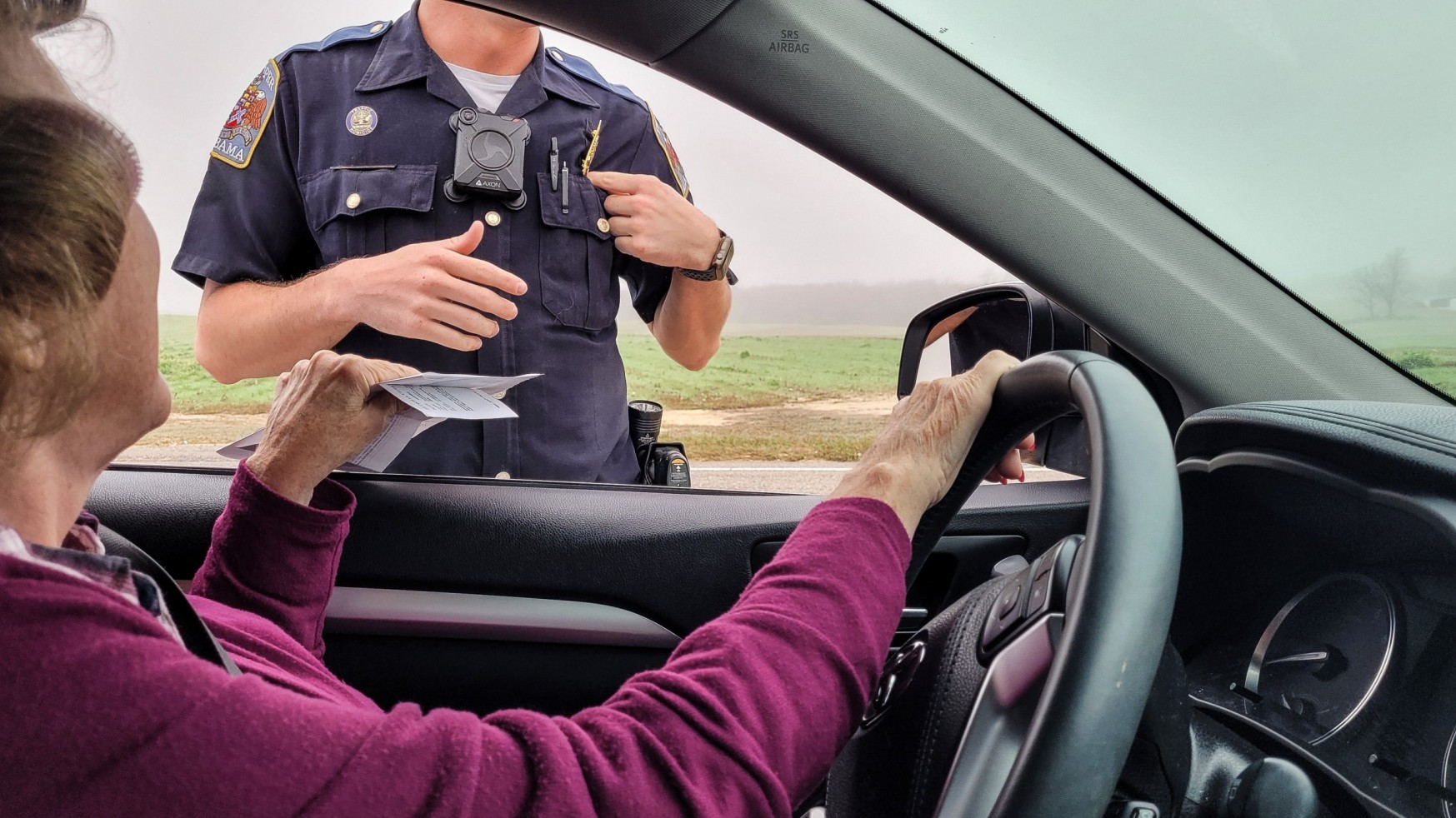
The Ticket: What It Actually Costs You
Two to four points on a Missouri license, typically, depending on how the citation is written and which statute applies. Against Missouri’s eight-point suspension threshold within 18 months, that range is meaningful — particularly for any driver who’s accumulated points from prior violations.
Work zone fines can double standard rates. Court costs add to the base fine regardless of the specific charge. And then there’s the insurance impact, which is where the real long-term financial exposure lives.
Moving violation convictions show up at renewal. Barricade violations — particularly work zone and emergency closure violations — signal risk to carriers in a way that pushes premiums upward. Twenty to thirty percent increases aren’t uncommon, and they persist across multiple renewal periods. Spread that out over three years, and the total cost of a citation paid without exploring options looks very different from the fine amount on the ticket.
Paying immediately closes every door permanently. Once paid, it’s a conviction — on the record, counted in points, visible to insurers, not subject to any further review. A lot of drivers pay because it feels resolved. It is resolved, in one sense. It’s also the choice that forfeits every alternative.
A Missouri traffic ticket lawyer at Speeding Ticket KC reviews these citations before any decision becomes irreversible. The firm handles barricade violations throughout Kansas City — under both state statute and city ordinance — and knows how local courts approach these cases. That familiarity with prosecutors and court patterns is what translates into realistic options for reduction or dismissal. Many clients never appear in court at all.
When a Barricade Citation Becomes Something More Serious
Most barricade citations stay in traffic court. A fine, points on the license, an inconvenient court date — that’s the typical arc for a driver who passed a closure without incident.
Not all of them stay there.
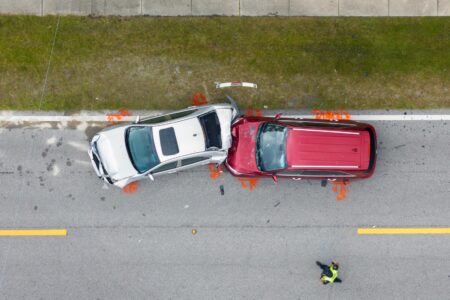
If a driver pushed through a barricade and caused an accident — particularly one involving injuries — the situation moves quickly into potential criminal territory. Reckless driving charges become possible. Injury accidents in work zones trigger enhanced scrutiny from both prosecutors and civil attorneys. The original barricade violation becomes one piece of a larger legal picture with significantly higher stakes.
Emergency closure situations carry their own elevated risk. Interfering with emergency operations — even unintentionally — can result in obstruction charges alongside the traffic violation. Officers on those scenes don’t treat the intersection lightly.
Getting legal review early matters most in these elevated situations. Options narrow as time passes, and the decisions made immediately after a citation is issued affect what’s available later.
Questions Kansas City Drivers Ask About Barricade Tickets
- What if the barricade was knocked over or hard to see?
Signage adequacy is a legitimate legal factor — but it requires documentation to be useful. Missouri holds agencies and contractors to specific standards for closure marking, and failures to meet those standards have legal relevance in court. If a barricade was damaged, missing, inadequately lit for nighttime conditions, or positioned in a way that made the closure genuinely ambiguous, photograph the site as soon as possible after the citation. Lighting conditions, time of day, any visible damage to signage — all of it matters, and details fade fast.
- Do work zone penalties really double the fine?
Yes, and meaningfully so. Missouri’s enhanced work zone provisions apply when construction or maintenance activity is actively underway in a marked zone. Fines for violations inside those zones can double compared to standard rates. Whether workers were physically present at the time of the violation is a key factual question because it directly determines which penalty tier applies. If the zone was marked but no workers were present, that distinction is worth raising.
- Can a barricade violation be reduced or dismissed entirely?
In the right circumstances, yes. First-time offenders with clean records have paths toward negotiated reductions — sometimes to non-moving violations that carry no points and no insurance impact. Cases where marking was poor, circumstances were genuinely ambiguous, or the specific characterization of the violation doesn’t fully match what happened offer attorneys more room to work. Speeding Ticket KC assesses the realistic options based on the actual facts, not generic reassurance.
- I drove through a flood closure and made it safely. Does that matter?
Not for whether the violation occurred. Missouri flood closure violations are cited based on the act of passing the barricade, not the outcome of the attempt. Making it through safely doesn’t retroactively make the entry legal. What can matter is how the closure was marked, what conditions looked like at that specific location and moment, and whether alternative routes were clearly available. Document everything you remember about the closure setup — those details support the defense context your attorney presents.
- What’s the first thing I should do after receiving this citation?
Contact Speeding Ticket KC before paying anything or making any statements about the incident. Court dates in Kansas City arrive faster than people expect, and the window for exploring options narrows as deadlines approach. Missing a response deadline piles failure-to-appear consequences on top of the original violation. Early contact means more time to review the documentation, assess the officer’s account, and pursue the best available outcome before any options close. A quick conversation changes what’s possible.
Bottom Lines
Barricades aren’t arbitrary obstacles. They’re official instructions backed by law and placed by people who know what’s on the other side. Ignoring them carries real legal weight — and the ticket that follows carries real consequences that persist well beyond the incident itself. Knowing your options before responding to a citation is always the smarter position to be in.