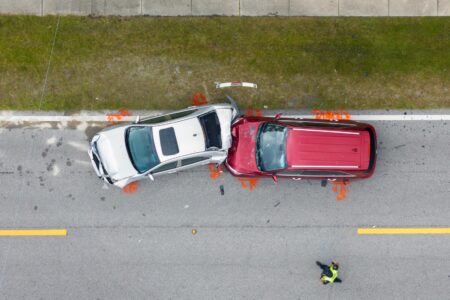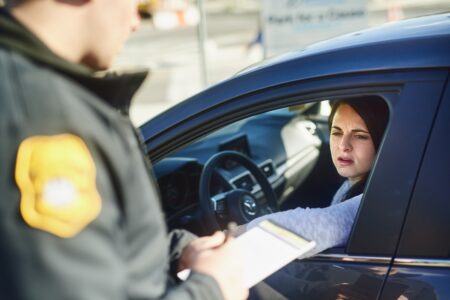
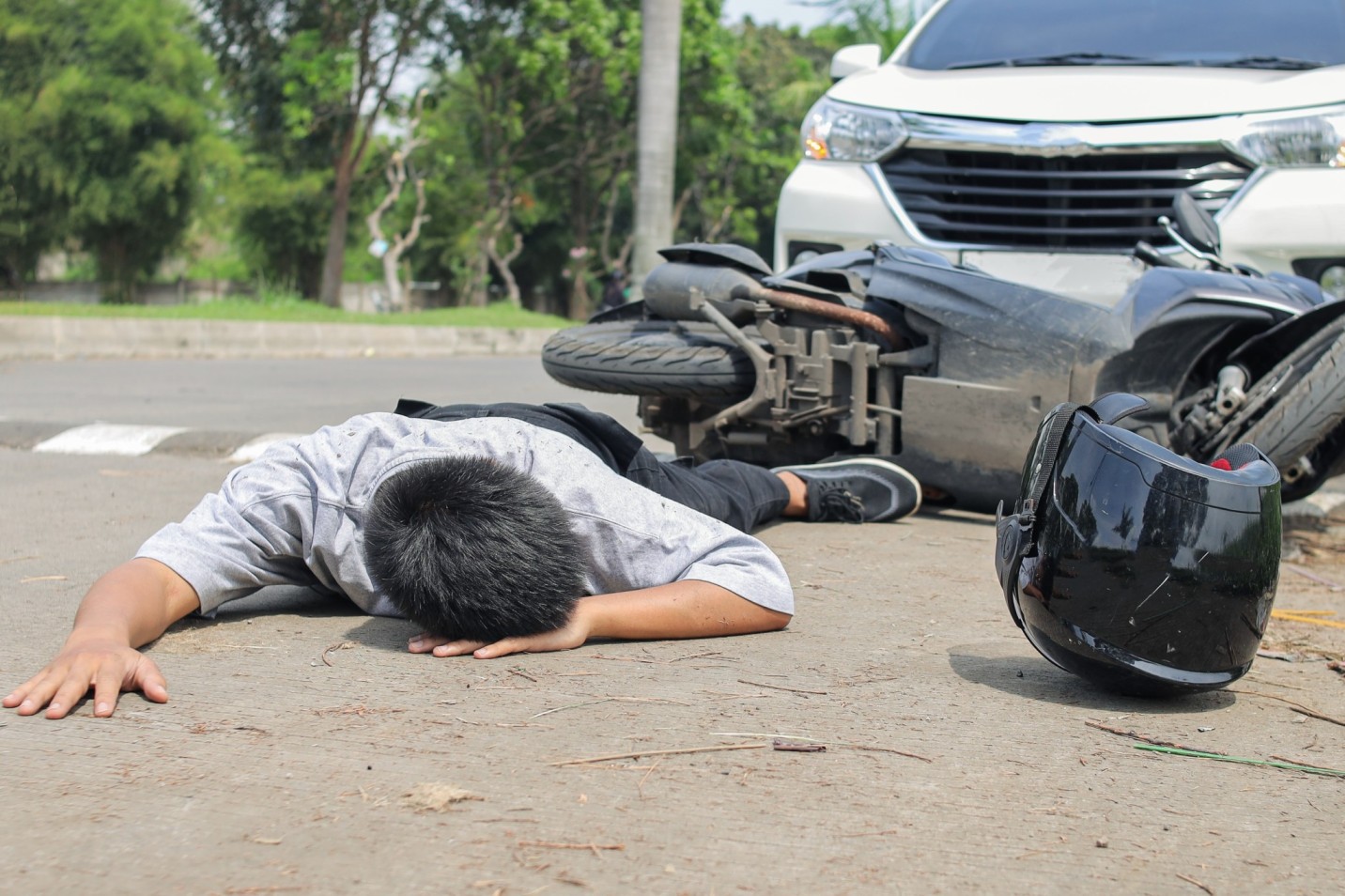
The accident happens fast. Impact, disorientation, a split-second where the brain hasn’t caught up with the situation yet. And in that gap — that compressed, adrenaline-flooded moment — some drivers make a decision to leave. Maybe they panicked. Maybe they thought the damage was minor and nobody saw. Maybe something else was happening that made stopping feel more frightening than leaving.
Whatever the reason, the legal framework Missouri applies to hit-and-run situations doesn’t distinguish much between deliberate flight and panicked departure. Leaving the scene is the act the law addresses. And what follows that act — even an attempted one that was interrupted — carries consequences that most people don’t fully understand until they’re already in the middle of them.
What Missouri Law Requires at an Accident Scene
Direct and more demanding than most drivers carry in their mental model of what “stopping” means.
Missouri Revised Statutes § 577.060 addresses leaving the scene of an accident. When a driver is involved in an accident resulting in property damage, injury, or death, Missouri law requires them to stop immediately at or near the scene, remain until certain obligations are met, and render reasonable assistance to anyone injured. Those obligations include providing their name, address, and vehicle registration information to the other party and to law enforcement.
Leaving without meeting those obligations — or attempting to leave before they’re completed — is a criminal offense. The severity depends on what the accident involved. Property damage only: Class B misdemeanor. Injury: Class D felony. Serious physical injury: Class C felony. Death: Class B felony. These aren’t points on a driving record. These are criminal charges with potential prison time attached.
What “Attempted” Actually Means Legally
The title of this article uses “attempted” intentionally — because some situations involve a driver who started to leave, then stopped. And people in that situation often assume that returning to the scene or not fully leaving protects them from the most serious consequences.
It doesn’t necessarily. If you moved your vehicle from the scene, even temporarily, even a short distance, and then returned — that sequence still creates legal exposure. How that exposure gets characterized depends on the specific facts, what the officer who responded observed and documented, what witnesses saw, and how the sequence of events gets reconstructed. Voluntarily returning is generally treated as a mitigating factor that shapes the case rather than a circumstance that eliminates the charge entirely.
The distinction between an “attempt” and a completed hit-and-run is meaningful in some circumstances and not in others — and figuring out which applies to a specific situation is exactly the kind of analysis that requires legal knowledge rather than general assumptions.
How Kansas City Investigations Actually Work
Modern accident investigations are more thorough than most drivers anticipate in the moment when they’re deciding whether leaving seems like a viable option.
Traffic cameras cover significant portions of Kansas City’s commercial and arterial street network. Ring and Nest cameras are installed on residences throughout the city’s neighborhoods. Businesses maintain security footage that captures street-facing areas. Witnesses with smartphones have documented accidents before drivers have even fully processed what happened. License plate readers operated by Kansas City police create records of vehicle locations that can reconstruct movement after an accident.
What looks like an unobserved departure often isn’t. Investigators piece together these sources routinely, and charges can come days or even weeks after the incident — long after the driver assumed the situation had passed.
What Charges and Consequences Look Like in Practice
A hit-and-run involving property damage only is a Class B misdemeanor in Missouri — up to six months in jail, fines, and a criminal record. That’s the lowest tier. When injury is involved, even minor injury, the charge becomes a felony. The license consequences that follow a felony conviction include revocation periods that can extend for years. Insurance consequences include policy cancellation, surcharge periods, and potential coverage disputes on any related claim. Civil liability from the injured party or their insurance company operates completely independently of the criminal case.
Drivers who were also responsible for the underlying accident face the compounding reality that the hit-and-run charge is layered on top of whatever traffic violation caused or contributed to the accident itself. These situations require legal attention that addresses all of the connected issues simultaneously, not just the hit-and-run charge in isolation.
Why Getting Legal Help Immediately Matters
The hours and days immediately following a hit-and-run incident are the window where legal strategy does the most work.
Statements made to law enforcement without legal guidance — even statements that seem helpful or explanatory — become part of the investigative record. Evidence at the scene gets documented or it disappears. The narrative that gets established in the first official account becomes the baseline that every subsequent proceeding references. An attorney who gets involved early can ensure the complete picture gets preserved and presented, that rights are exercised correctly during any investigation, and that the full range of outcomes remains available rather than being narrowed by decisions made without legal context.
A Missouri traffic ticket lawyer who handles serious traffic-related criminal matters understands how hit-and-run cases move through Kansas City’s court system and where the case can be most effectively addressed. Speeding Ticket KC works with drivers facing serious traffic-related criminal charges — including situations where a moment of panic after an accident has created legal exposure that requires immediate and careful attention.
Questions: Drivers Ask After a Hit-and-Run Situation
1. What are the penalties for leaving the scene of an accident in Missouri?
The severity depends on what the accident involved. Leaving the scene of a property-damage-only accident is a Class B misdemeanor — up to six months in jail. When injury is involved, even minor injury, the charge becomes a Class D felony. Serious physical injury elevates it to a Class C felony. Death results in a Class B felony charge. Each tier carries potential prison time, fines, license consequences, and a criminal record that affects employment, housing, and professional licensing in ways that outlast the immediate case.
2. Does returning to the scene after leaving help or hurt my situation?
It helps — but not as much as most people hope. Voluntarily returning to the scene, particularly before law enforcement arrives and before the driver is identified through other means, is treated as a significant mitigating factor that prosecutors and judges consider when evaluating the case. It demonstrates that the departure wasn’t a sustained, deliberate decision to evade responsibility. But returning doesn’t eliminate the legal exposure created by leaving in the first place — it shapes how that exposure gets addressed, which is a meaningful but different thing.
3. What if I didn’t realize I was involved in an accident at the time?
This is a genuine defense in some situations — but establishing it requires more than just asserting it. The circumstances of the accident, the nature of any contact, the visibility conditions, and what a reasonable driver would have been aware of all factor into whether that claim is credible. An attorney who examines the specific facts can assess whether this defense holds up given the particulars of what happened and help document and present it in a way that actually carries weight in the legal process.
4. How does Missouri investigate hit-and-run incidents after the driver has left?
More thoroughly than most drivers anticipate. Traffic cameras, residential security cameras, business surveillance footage, witness accounts, smartphone video, and license plate reader data all contribute to reconstructions that can identify vehicles and drivers days after the incident. Kansas City police work these cases using multiple evidentiary sources, and what appeared to be an unobserved departure frequently isn’t. Charges can be filed weeks after the incident based on investigation rather than immediate observation.
5. Should I contact a lawyer before talking to the police about a hit-and-run?
Yes — and this is one of the situations where the answer is most clearly yes. Statements made to law enforcement without legal guidance become part of the investigative record and can be used in any subsequent prosecution. An attorney who gets involved before any formal statement is made can ensure that rights are exercised correctly, that what gets said is accurate and doesn’t inadvertently create additional legal problems, and that the full range of outcomes remains available. Speeding Ticket KC works with Kansas City drivers in exactly these situations — and early involvement consistently produces better outcomes than addressing things after the initial investigation has already shaped the narrative.