
Most driving mistakes feel obvious in retrospect. You went too fast. You ran a light that was already red. You merged without checking your blind spot. The mistake and the citation match up in a way that makes sense.
Wrong-side driving violations often don’t feel that way. They happen in seconds — a missed turn, a confusing exit, a GPS instruction that led somewhere it shouldn’t have — and by the time the driver fully processes what occurred, the situation is already being observed by an officer. The citation arrives, and it doesn’t feel proportionate to what felt like a brief, corrected navigation error.
The consequences, though, are proportionate to what wrong-side driving actually represents as a safety risk. And understanding that gap between how it felt and what the law says about it is the starting point for responding correctly.
Kansas City Roads Create Genuine Navigation Challenges
This matters for defense purposes, and it’s worth acknowledging directly. Kansas City has a downtown grid that shifts direction, one-way streets that transition without prominent warning signs, and older neighborhood road networks that weren’t designed with modern navigation patterns in mind. The area around the River Market has redirected more out-of-town drivers than anyone has counted. The blocks near the Crossroads Arts District have one-way configurations that genuinely confuse people who don’t use those streets regularly. Construction projects across the metro regularly introduce temporary lane configurations and detour routes that replace familiar patterns with new ones that aren’t yet intuitive.
Add GPS to this picture. Navigation apps route drivers confidently through turns that make complete sense on a map but create wrong-side situations on the actual pavement. A directed left onto a one-way street from the wrong end. A route that crosses a divided road in a way that positions the vehicle incorrectly. These aren’t hypothetical scenarios — they happen regularly in Kansas City, and they produce citations for drivers who were following directions in good faith.
None of this prevents the citation from being issued. An officer who observes a vehicle operating on the wrong side of the road has grounds to stop and cite regardless of why it happened. But it shapes what a defense can look like — and that matters considerably when deciding how to respond.
What Missouri Law Requires and Where Violations Occur
RSMo § 304.015 is the governing statute. It requires drivers to keep to the right half of the roadway under normal operating conditions. Defined exceptions exist — for actively passing another vehicle, for avoiding an obstruction, for one-way streets designated for travel in a specific direction — but outside those defined situations, operating in the wrong lane or against traffic flow is a clear statutory violation.
The violation doesn’t require a collision to establish. It doesn’t require another vehicle to be present. An officer who observes a vehicle traveling in the wrong direction or operating in the wrong lane has what they need for a citation based solely on their observation. That’s the starting point for the legal analysis.
Wrong-side violations in Kansas City cluster around recognizable situations. Wrong turns onto one-way streets — particularly in downtown and older neighborhoods — produce the largest share. GPS-directed navigation errors are increasingly common. Construction zone lane shifts create situations where drivers who think they’re in the right lane aren’t, because the legal lane boundaries have moved from where they expected. Fatigue and impairment sit at the more serious end of the spectrum; they’re responsible for the violations that attract enhanced scrutiny and potential additional charges.
The duration and distance of the wrong-side travel matters significantly for how the case gets handled. A driver who entered a one-way street going the wrong direction, recognized it within seconds, and safely corrected it is in a very different legal position from a driver who traveled multiple blocks against traffic. Courts and prosecutors understand this distinction and factor it into how aggressively they pursue these cases
The Consequences That Don’t Match How Brief It Felt
Three to four points on a Missouri license for a wrong-side driving violation, depending on how the citation is written. Against Missouri’s eight-point license suspension threshold within 18 months, that range is consequential — particularly for any driver who’s accumulated points from prior violations.
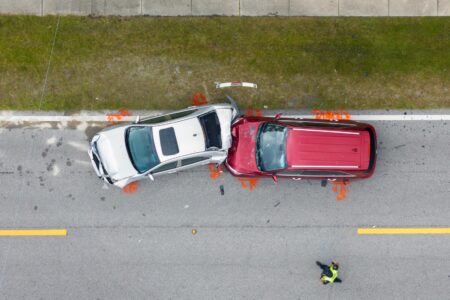
Wrong-side violations carry more point weight than basic lane-use violations because of what they represent. Operating against traffic flow puts a vehicle in the space where oncoming drivers legitimately expect to be alone. The potential for a head-on collision — the most severe vehicle accident type — is real, and the penalty structure reflects that severity.
Fines vary by jurisdiction and how the citation was written. Court costs add to the base fine. Insurance is where the long-term financial impact accumulates most significantly. Carriers treat wrong-side violations as indicators of a more serious control or awareness problem than ordinary moving violations. Premium increases of 20 to 30 percent at renewal aren’t unusual, and they persist across multiple renewal cycles.
Paying the citation feels like a quick resolution. It’s also the permanent one. Once paid, the conviction is on the record — points counted, insurance notified, not subject to any further review. Everything the driver might have argued, or might have had reduced through negotiation, is gone.
A Missouri traffic ticket lawyer at Speeding Ticket KC reviews wrong-side citations before payment decisions get made. The firm handles traffic violations throughout Kansas City in both municipal and county courts, and knows how prosecutors approach these specific violations locally. That knowledge of which arguments carry weight, which circumstances support reduction, and which courts are open to negotiated outcomes is what changes what’s available before the deadline to respond arrives.
When Wrong-Side Driving Becomes More Than a Traffic Citation
Most wrong-side violations stay in traffic court. A moving violation, points on the license, a fine — significant, but manageable with the right legal response.
Context pushes cases further in recognizable ways.
Impairment turns a wrong-side citation into something more serious immediately. DUI charges run on a completely separate legal track from the traffic violation, with their own penalties and their own court process. What started as a navigation error becomes a multi-charge situation with criminal implications.
An accident resulting from wrong-side driving creates civil liability alongside the criminal traffic exposure. The citation becomes evidence of negligence in any injury claim that follows. A personal injury attorney on the other side of that claim will use the traffic conviction to establish fault in ways that affect settlement and judgment amounts.
If the behavior suggested deliberate disregard rather than an honest mistake — extended wrong-way travel, high speed, failure to respond to other drivers’ signals — prosecutors have tools to pursue reckless driving instead of a standard traffic violation. Reckless driving is a Class B misdemeanor in Missouri. That’s criminal territory with potential jail time, a criminal record, and consequences that extend well beyond a driving history.
Early legal review — before statements are made, before any admissions, before payment is tendered — is what preserves the most options in all of these elevated situations.
Questions Kansas City Drivers Ask After This Citation
1. What if I corrected immediately after realizing the error?
Immediate correction is a meaningful mitigating factor. Courts and prosecutors genuinely distinguish between a driver who recognized a wrong-way entry within seconds and corrected it safely versus one who traveled multiple blocks in the wrong direction. The speed and completeness of the correction matter for how prosecutors approach the case and what reduction options exist in negotiation. Document what you remember about the intersection, what caused the wrong entry, and how quickly you identified and fixed it — specific details support the argument.
2. Can I use GPS direction as part of a defense?
GPS direction doesn’t constitute a complete defense — Missouri law holds drivers responsible for operating their vehicles lawfully regardless of what navigation software suggests. What GPS evidence can do is support an argument that the wrong-side entry was a genuine, non-deliberate mistake rather than reckless or knowing disregard for traffic direction. Combined with a clean record and immediate correction, GPS context can meaningfully influence how prosecutors approach the case and what reductions are available.
3. What if construction zone markings created the wrong-side situation?
This is one of the stronger contextual defenses available for wrong-side violations in Kansas City, given the city’s persistent construction activity. Missouri holds contractors and agencies to specific standards for temporary road marking. Missing or inadequate markings in an active construction zone are a failure on the responsible party’s part — not the driver’s. Document the site immediately: photos of the lane markings or their absence, the construction setup, and any signage visible from the approach direction. That documentation supports an argument that the driver’s position was a product of inadequate guidance.
4. Does this citation affect a CDL holder differently?
Significantly. Commercial Driver’s License holders face federal regulatory consequences layered on top of Missouri state law. Wrong-side violations can affect CDL status and commercial driving privileges independently of what happens in state traffic court. For CDL holders, legal representation from the start is essential — not optional. The professional stakes make the difference between a resolvable situation and one that affects a livelihood.
5. What’s the most important thing to do immediately after receiving this citation?
Contact Speeding Ticket KC before paying anything, before making statements about what happened, and before your court date approaches. The window between when a citation is issued and when options begin to narrow is when the most is possible. Missing response deadlines adds failure-to-appear consequences on top of the original violation. Early contact means more time to review the officer’s documentation, assess the specific circumstances, identify whether the citation holds up under scrutiny, and pursue the best available outcome before any decisions become permanent.
Endline
Wrong-side driving tickets arrive with more weight than most moving violations. The points are higher, the insurance signal is stronger, and the potential for escalation is real when circumstances warrant it. Treating this like a routine fine-and-forget situation is the decision that tends to follow drivers the longest. Knowing what you’re actually dealing with — before anything becomes permanent — is always the better starting point.