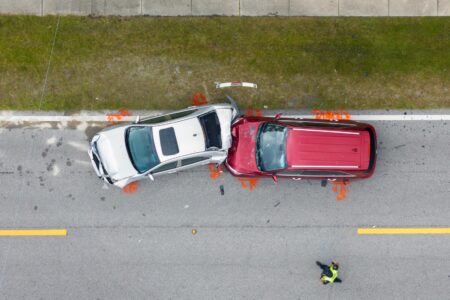

A sudden crash at the intersection of Route 8 and Kennedy Drive can change your life in a fraction of a second. As you sit in the emergency room at Charlotte Hungerford Hospital, the initial shock fades, only to be replaced by a mounting pile of medical bills and stressful calls from insurance adjusters. Connecticut insurance rules are complex, and multi-lane collisions near downtown Torrington often sparks fierce debates over who was truly at fault. Securing fair financial compensation requires a clear understanding of your legal rights under state law.
Navigating the aftermath of a wreck demands more than just filling out forms; it requires strategic proof of liability and damages. Insurance providers frequently deploy tactics designed to minimize their financial payouts, often pressuring injured victims into signing quick, lowball settlements before the full extent of their physical trauma is known. To protect your family and your financial future, partnering with a dedicated Torrington car accident lawyer is a vital step toward holding the negligent driver accountable.
Local Crash Hotspots and Common Liability Disputes
Torrington features a mix of tight historic downtown streets and high-speed corridors that frequently experience heavy traffic congestion. Route 8, East Main Street, and the busy stretches near the local shopping plazas see a disproportionate share of rear-end collisions, distracted-driving T-bone wrecks, and severe intersection accidents. Local police reports often cite tailgating, aggressive lane changes, and failing to yield the right-of-way as primary catalysts for these local traffic incidents.
When a collision occurs on these roads, determining legal fault is rarely straightforward. Insurance defense teams routinely attempt to shift blame onto the victim to reduce their client’s financial exposure. Investigating these specific locations requires gathering traffic camera footage, interviewing nearby business witnesses, and examining physical skid marks left on the asphalt.
Understanding Connecticut’s Modified Comparative Negligence Law
Connecticut operates under a modified comparative negligence system, specifically utilizing a 51% bar rule for personal injury claims. This legal framework means you can recover financial compensation from another driver as long as your share of responsibility for the crash does not exceed 50%. However, if the court or an insurance adjuster determines you were partially at fault, your final financial award is reduced by that exact percentage.
For example, if a jury determines your total damages equal $100,000 but finds you 20% responsible because you were traveling slightly over the speed limit, your final payout is reduced to $80,000. If your fault crosses the 51% threshold, you are legally barred from recovering any compensation from the other party. Defense lawyers know this rule well and aggressively search for any minor infraction to drive up your percentage of fault.
Step-by-Step Action Plan Immediately Following a Collision
The actions you take in the minutes and days following a roadway collision directly impact the strength of your future legal claim. Even if you feel uninjured due to an adrenaline surge, taking systematic steps ensures crucial physical evidence is preserved before it disappears from the scene.
- Call emergency services immediately: Request the Torrington Police Department or Connecticut State Police to file an official accident report.
- Document the scene: Photograph vehicle damage, license plates, road conditions, and any visible physical injuries.
- Exchange vital information: Collect names, phone numbers, insurance policy details, and witness contact information.
- Seek immediate medical attention: Visit an emergency room or urgent care center within 24 hours to diagnose hidden injuries like whiplash.
- Consult a legal professional: Speak with an attorney before providing recorded statements to any insurance claims adjuster.
The True Cost of Hidden Injuries and Long-Term Damages
Many motor vehicle collision injuries do not manifest symptoms until days or weeks after the initial impact. Soft tissue damage, concussions, and internal bleeding often remain masked by the body’s natural survival responses during the crash. Accepting an early settlement offer from an insurance company permanently waives your right to seek additional funds if a spinal injury later requires corrective surgery.
A comprehensive evaluation of your claim must account for both immediate medical costs and long-term financial impacts. This includes assessing future physical therapy needs, specialized medical equipment, modified living arrangements, and the psychological toll of chronic pain. Calculating these future projections requires deep legal insight and collaboration with trusted medical experts.
| Damage Category | Examples of Covered Losses | Evidence Required |
| Economic Damages | Hospital bills, prescription costs, lost wages, diminished earning capacity, property damage. | Medical invoices, tax returns, pay stubs, repair shop estimates. |
| Non-Economic Damages | Physical pain and suffering, emotional distress, loss of enjoyment of life, loss of consortium. | Mental health records, personal journals, expert witness testimony. |
How Insurance Adjusters Systematically Undervalue Claims
Insurance companies are profit-driven corporations focused on protecting their bottom line rather than ensuring your complete physical recovery. Claims adjusters frequently use sophisticated software algorithms to generate low settlement offers that exploit a victim’s immediate financial panic. They may act friendly and comforting, but their ultimate goal is to close your file as cheaply as possible.
A common tactic includes combatively reviewing your past medical history to claim your current pain stems from a pre-existing condition rather than the recent crash. They might also delay processing your claim in hopes that mounting household utility bills will force you to accept a subpar offer. Having an attorney handle all correspondence stops these predatory communication tactics immediately.
The Critical Timeline: Connecticut’s Statute of Limitations
In Connecticut, injured parties face a strict legal deadline to file a personal injury lawsuit after a motor vehicle wreck. Under state law, you generally have exactly two years from the date of the accident to initiate formal legal action against the at-fault driver. Failing to file your paperwork within this specific window means the court will permanently dismiss your case, leaving you with no legal recourse.
While two years may seem like an extended period, building a trial-ready case requires significant preparation. Gathering medical records, conducting comprehensive accident reconstructions, and negotiating with obstinate insurance firms takes months of diligent work. Starting the legal process early prevents crucial evidence from being lost or destroyed over time.
Conclusion
Rebuilding your life after a major collision requires patience, proper medical care, and a relentless pursuit of justice against negligent parties. Attempting to battle insurance conglomerates alone often results in undue stress and inadequate financial recoveries that fail to cover your long-term medical needs. By taking proactive control of your situation, you shift the power dynamic back in your favor. Partnering with a skilled Torrington car accident lawyer ensures your rights remain protected throughout every stage of the insurance claims process and eventual recovery.