The hospital bill usually shows up before you can walk without help. Nobody warns you about that part. You are dealing with surgery, a back that will not cooperate, or a kid who is scared to get in a car again, and the mail keeps coming. Families across Little Rock go through this every year, and most have never handled an insurance claim bigger than a fender bender.
Here is a plain look at how the money side works, and what you can do while you heal.
Who Pays the Bills First
This surprises people. The drunk driver’s insurance does not pay your medical bills as they arrive. That company typically pays once, in a lump settlement, after your treatment ends or your condition stabilizes. That can take months.
In the meantime, the bills fall to other sources. Your own MedPay coverage, if you have it, pays medical costs quickly regardless of fault. Your health insurance covers treatment as it normally would. If the at-fault driver had little or no insurance, your uninsured and underinsured motorist coverage may step in. Arkansas insurers must offer UM and UIM coverage and you can only decline it in writing, so check your policy even if you do not remember buying it.
Keep the Bills Out of Collections
Do not ignore statements while you wait for a settlement. Call each provider, tell them an injury claim is pending, and ask what they need in writing. Many will hold the account or set up a small payment plan.
Use your health insurance even though someone else caused the crash. People skip this because it feels wrong, but unpaid bills damage your credit and shrink your leverage later. Your health plan will likely assert a lien or subrogation claim to be repaid out of your settlement, which is normal and often negotiable at the end.
Write Down Every Loss, Not Just Medical Costs
Medical bills are the obvious part. The rest is what people forget and later cannot prove.
Keep a simple file with lost paychecks and used sick days, mileage to appointments, prescription and equipment costs, child care you had to hire, and repair or replacement value for your vehicle. If your injuries will limit what you can earn going forward, that is a real loss too, and it usually takes a doctor or vocational expert to document. A short daily note about pain and what you could not do that day helps more than people expect.
Why Drunk Driving Claims Are Different
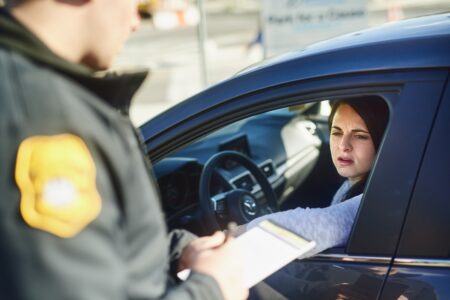
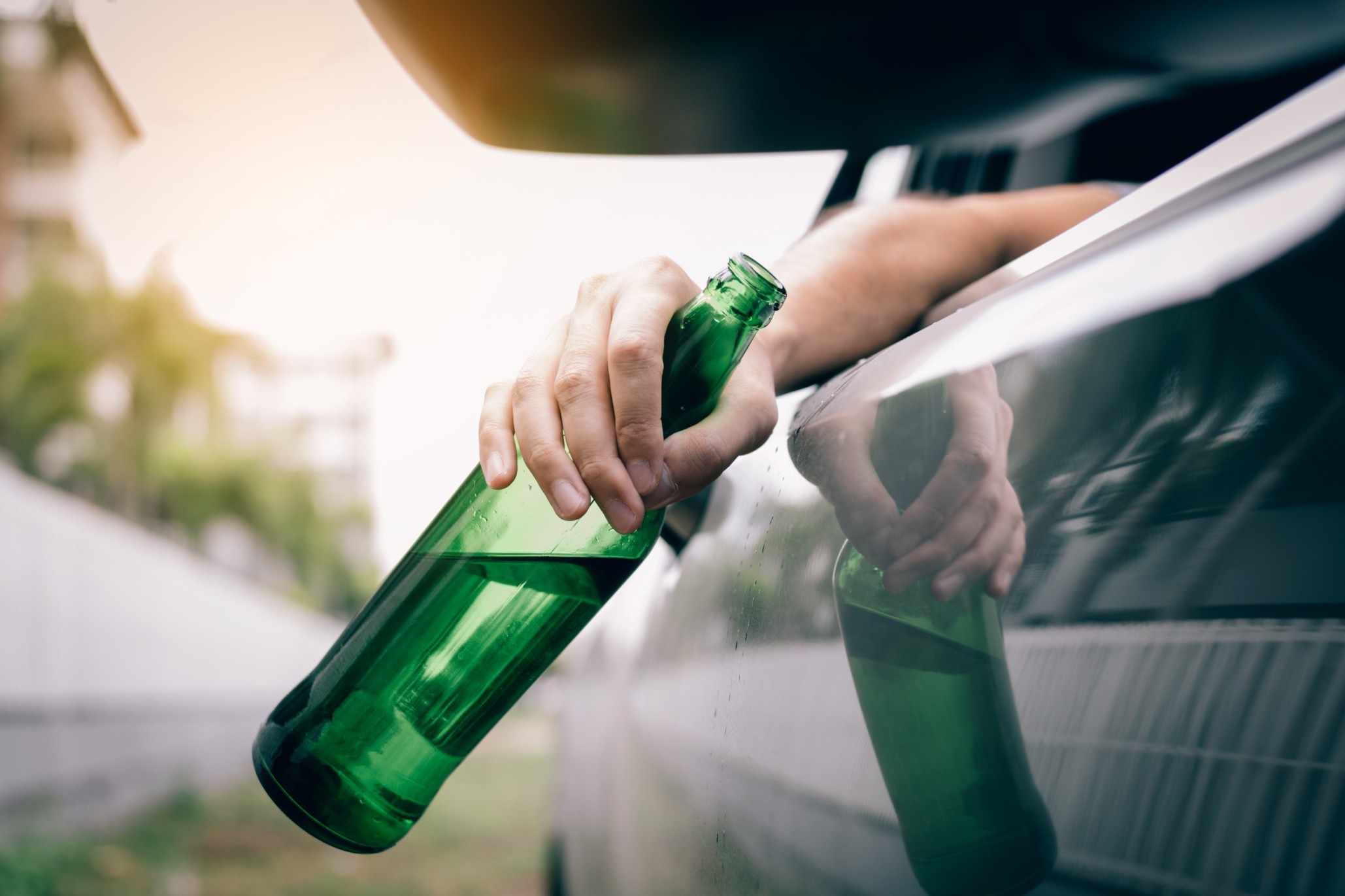
A DWI arrest gives your civil claim evidence most crash cases never have. Breath and blood tests, dash camera footage, field sobriety results, and a criminal case running in parallel all support that the other driver was at fault.
These crashes are still far too common. The National Highway Traffic Safety Administration reports that 11,904 people died in alcohol-impaired driving crashes in 2024, roughly 32 people a day. Injury numbers run far higher, and every one of those cases comes with a stack of bills someone has to answer for.
Arkansas also allows punitive damages in cases involving reckless conduct, which a drunk driving crash can qualify as. Those are meant to punish the behavior, not just cover your losses, and they are one reason people talk with a drunk driving accident attorney in Little Rock rather than handling the claim through an adjuster alone.
McMath Woods, a firm that has handled injury cases in Arkansas for decades, is one example of the kind of practice worth calling when serious injuries are involved. Most personal injury firms work on contingency, meaning the fee comes out of a recovery rather than your pocket up front, so an early conversation usually costs nothing but time.
Restitution Is Not the Same as Your Claim
The criminal case against the driver may order restitution. That helps, but it is usually limited to documented out-of-pocket losses and often gets paid slowly, if at all. It does not cover pain and suffering, and it does not replace a civil claim. The two run on separate tracks.
Watch the Deadlines and the Fault Rule
Arkansas generally gives you three years from the crash date to file a personal injury lawsuit. That sounds like plenty until you realize evidence disappears, witnesses move, and insurers ask why a badly hurt person waited. Your own policy may also require notice within days, a much shorter clock.
Arkansas also uses modified comparative fault. If you are found 50 percent or more responsible, you recover nothing. Below that, your award is reduced by your share. Adjusters know this rule well, which is why they push to assign you some blame.
Common Mistakes That Cost Money
Giving a recorded statement to the other driver’s insurer without advice is near the top of the list. So is taking a quick settlement in the first weeks, before anyone knows whether that shoulder needs surgery. Once you sign a release, the claim is closed for good.
Posting about the crash or your activities on social media causes real problems too. A photo of you at a birthday party gets used to argue you are fine. Gaps in treatment do the same, so keep your appointments even when you feel discouraged.
Final Thoughts
The financial fallout from a drunk driving crash is manageable, but only if you treat it as its own project alongside your recovery. Use your available coverage right away, keep providers informed so bills do not spiral, save every receipt, and be careful about what you sign or say in the early weeks when you have the least information.
Most importantly, do not assume the insurance company will simply do the right thing because the other driver was clearly in the wrong. Talk with a licensed attorney in your state about your specific situation before making decisions that are hard to reverse. This article is general information rather than legal advice, and your case deserves someone who can look at the actual facts.