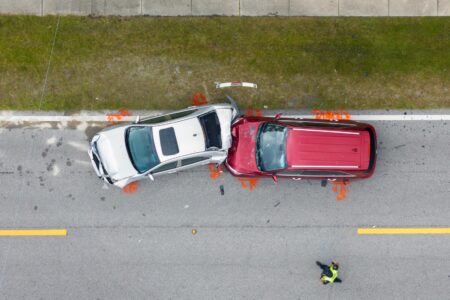
Two cars at a red light. Engine idling. Maybe a look exchanged, maybe not even that — just the mutual awareness of another driver and an open road ahead. The light changes. Both drivers accelerate harder than the situation calls for. It lasts maybe ten seconds. Then the lights in the mirror start.
Speed competition citations in Kansas City don’t land the way most traffic tickets do. They aren’t a fine you pay online and forget about before the end of the week. They carry criminal record implications, license consequences, and insurance fallout that compounds over years. If you’re holding one of these citations right now — or trying to understand what a family member or friend is facing — the picture is more serious than a typical traffic stop suggests.
The First Thing Most Drivers Get Wrong About This Charge
The assumption is that a speed competition charge is basically an aggravated speeding ticket. Pay a bigger fine, maybe take a course, move on. That assumption is wrong in a way that matters enormously.
Speed competitions on public roads fall under Missouri’s reckless driving framework. Reckless driving is a Class B misdemeanor. Not a traffic infraction — a criminal charge. The difference isn’t procedural. A misdemeanor conviction goes on a criminal record — the one that employers check, landlords check, professional licensing boards check, and security clearance processes review. It follows a driver into contexts that have nothing to do with cars for years after the incident.
Why does Missouri treat it this way? Because speed competitions create conditions where people die — not occasionally, not in rare circumstances, but regularly. Bystanders who didn’t know what was happening. Other drivers who happened to be in the wrong place. Passengers who trusted someone to get them home. The criminal framework reflects the severity of the potential consequences, not just the speed.
How Missouri Defines a Speed Competition — and Why It Matters
This is where the legal specifics become directly relevant to how these cases get built and challenged.
RSMo § 304.012 and related statutes govern reckless vehicle operation on public roads. A speed competition under Missouri law doesn’t require a formal agreement between drivers. It doesn’t require a starting signal, a designated course, or even a conversation. What it requires is participation — engaging with another driver’s acceleration in a way that constitutes a competitive contest.
Prosecutors build these cases from observable behavior rather than admissions. Side-by-side acceleration from a stop. Sustained matched speeds over a meaningful distance. Revved engines at a light before simultaneous launches. Video documentation showing coordinated movement. Any of these elements can support a charge even without a confession. The more of these elements exist, the harder it becomes to argue that both drivers simply happened to be going fast at the same time.
The law reaches further than the drivers themselves. Organizers who planned the route, facilitators who flagged the start, people who coordinated the gathering — they face potential exposure under Missouri law even without operating a competing vehicle. This surprises people who assumed that watching or coordinating from the sideline was safely different from racing. Distance from the cars doesn’t mean distance from the legal risk.
Evidence That Shows Up in These Cases
Kansas City speed competition enforcement has expanded beyond what officers personally witness. Understanding the evidence landscape matters because it shapes what a defense needs to address.
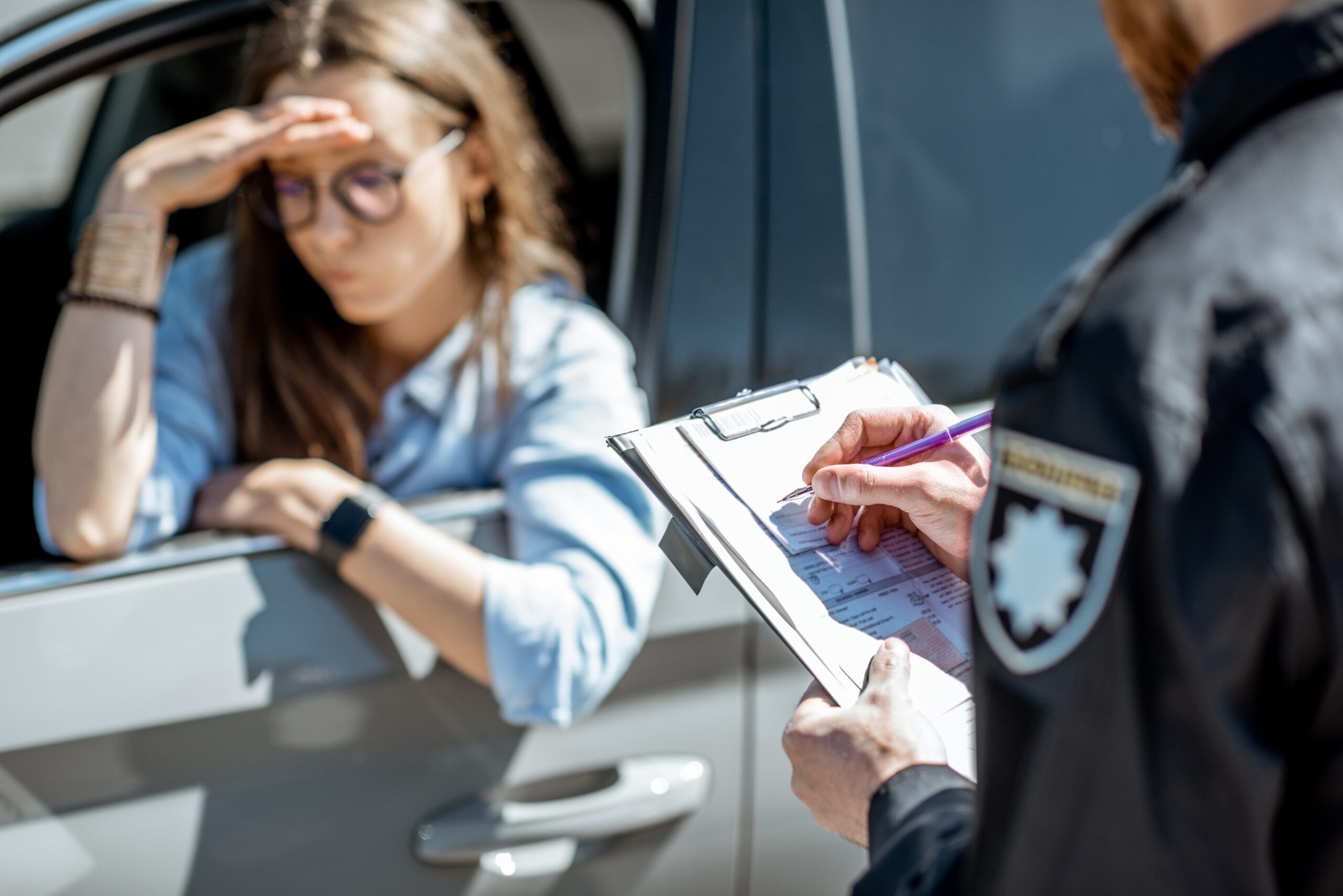
Direct officer observation remains the most straightforward basis for a charge. A patrol officer who watches two vehicles accelerate side by side from a stop, follows both cars, and initiates a traffic stop has what they need for a citation without additional evidence.
Traffic cameras mounted throughout the metro document vehicle behavior at intersections and along monitored corridors. This footage has supported prosecutions where no officer was personally present at the race itself.
Social media is where things get complicated for drivers who assumed their activity was private. People film speed competitions. They post the footage. They share clips through platforms and group chats that investigators eventually access. Instagram, TikTok, Snapchat — footage that circulates through these channels gets reviewed by law enforcement, and drivers who appeared in it get identified even when they weren’t stopped at the scene. Posting about a race, appearing in someone else’s footage, or communicating about an event beforehand creates a record that doesn’t disappear just because the night ended without an immediate stop.
When accidents occur during a speed competition, everything escalates immediately. An injury accident connected to racing can bring felony charges depending on what happened and who was hurt. The original speed competition charge becomes secondary to a significantly more serious legal situation.
What a Conviction Actually Does to a Driver’s Life
Let’s be specific about this, because the full picture goes further than most people anticipate when they first see the citation.
Criminal record. Not a driving record — a criminal record. Visible in background checks for years. Relevant to employment decisions, housing applications, professional licensing, and security clearances. The Class B misdemeanor classification doesn’t make it invisible. It makes it a permanent entry in a system that follows a person well beyond the context in which the conviction occurred.
Up to six months in jail and fines. That’s the statutory range. Whether incarceration is actually imposed depends on circumstances and prior history — but the exposure exists, and prosecutors have discretion in how aggressively they pursue it.
License consequences. Missouri suspends licenses at eight points within 18 months, and a reckless driving charge typically generates enough points on its own to exceed that threshold. Suspension or revocation follows. Reinstatement requires a formal process — fees, hearings, and sometimes SR-22 filing before driving privileges return.
Insurance compounds the picture. Standard carriers sometimes decline renewal after a reckless driving conviction. Drivers pushed into specialty high-risk insurance markets pay two to three times their previous rate — sustained across multiple renewal periods in a way that makes the original fine look minor in retrospect.
None of this is theoretical. These are actual outcomes that follow a conviction. Getting legal help early — before statements are made, before anything is paid or pleaded — is consistently what produces better outcomes.
A Missouri traffic ticket lawyer at Speeding Ticket KC handles speed competition cases in Kansas City. The firm understands how prosecutors build these cases, what evidence tends to be strong or vulnerable, and where the arguments that produce reduced or dismissed charges actually live. Early contact is what preserves the most options.
The Independent-Speeding Argument and When It Actually Works
It’s the most common explanation officers hear after a speed competition stop. Two drivers, both going fast, but not racing — just coincidentally moving at similar speeds in the same direction. Sometimes that’s genuinely what happened.
The challenge is that prosecutors don’t need a confession or an explicit agreement to establish a competition. They build from circumstantial evidence — the observable pattern of behavior, available video, any communications between drivers beforehand. The more circumstantial evidence exists, the harder the independent-speeding argument becomes to sustain.
An attorney who reviews the specific facts — what the officer documented, what video exists, what the driving pattern actually showed — can honestly assess whether that argument fits the situation or whether a different approach makes more strategic sense. That honest assessment is what allows a driver to make informed decisions rather than reactive ones.
What gets said at the stop matters independently. Statements made during the traffic stop become part of the record. Exercising the right to remain silent is legal and often strategically sound in the minutes immediately following a stop
Questions Kansas City Drivers Ask After a Speed Competition Citation
1. What if the other driver started it and I just responded?
Who initiated the acceleration is relevant context but not a complete defense. Both drivers who participated in a speed competition face the same potential charge regardless of who “started it.” What matters legally is whether each driver engaged in competitive acceleration — not who accelerated first. That said, the specific circumstances of how the interaction developed can factor into how prosecutors approach the case and what outcomes they’re willing to discuss. Tell your attorney the full story of what happened.
2. Can social media posts be used against me even if I didn’t post them myself?
Yes — and they have been used in Kansas City prosecutions. If you appear in footage someone else posted — your vehicle, your license plate, your presence at the event — that content is accessible to investigators and usable in court. The fact that you didn’t post it yourself doesn’t limit its evidentiary value. If footage from the incident exists online, tell your attorney immediately. Early knowledge of what evidence exists shapes how the defense gets built.
3. Is there a realistic path to a better outcome than a misdemeanor conviction?
Yes, depending on specifics. Cases where competition evidence is genuinely ambiguous, where driver identification is uncertain, or where a first-time offender with a clean record is involved have more room to work with than cases with strong evidence and prior history. Speeding Ticket KC evaluates these factors and tells clients what outcomes are realistically achievable — not what they want to hear, but what the evidence actually supports. That honest assessment is what drives informed decisions.
4. What if I was present at the event but not actually driving a competing vehicle?
Organizers and facilitators face real legal exposure under Missouri law. Pure spectators who had no involvement in planning or facilitating the event have less direct exposure — but “pure spectator” is narrower than people typically assume. Any role in organizing, communicating about, or facilitating the event creates potential exposure. If you’re uncertain about where your involvement falls, describe the full situation to an attorney before drawing your own conclusions about risk.
5. How quickly do I need to act after receiving this citation?
Immediately. Speed competition charges that carry misdemeanor implications move through the court system differently than standard traffic tickets. Response timelines are real, and options narrow as deadlines approach. The gap between when a charge is issued and when a court date arrives is when the most options exist. Speeding Ticket KC recommends reaching out within days of any citation involving speed competition allegations — not weeks. Early contact is consistently the factor that produces the most favorable outcomes.
Bottom Line
Speed competition citations aren’t traffic tickets with bigger fines. They’re criminal matters with consequences that follow drivers well beyond their driving record. The time between a stop and a court date is when options exist, and decisions matter. After a conviction, the options are gone. Acting early, with the right legal guidance, is what changes how this ends.