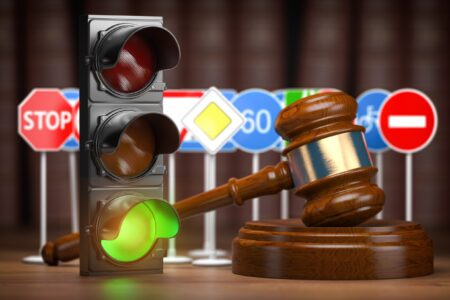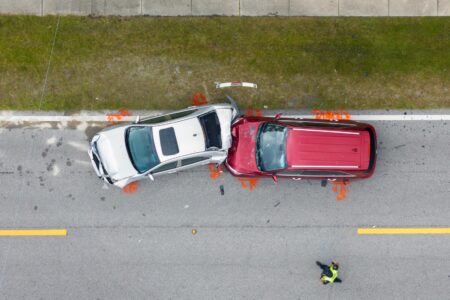

Traffic control devices are everywhere — and most drivers interact with dozens of them every single day without consciously registering most of what they’re doing. Stop signs, traffic signals, yield signs, lane markers, crosswalk indicators, school zone flashers. The whole system hums along in the background of daily driving. Most of the time, compliance is automatic.
Until it isn’t. And when it isn’t, the citation that follows references a category — traffic control device violation — that most people have to read twice before they fully understand what they’re being charged with.
The range of conduct that falls under this category is broader than most drivers expect, and the consequences aren’t uniform across the different types of violations that can generate this charge. Understanding what actually leads to these tickets in Kansas City, and what the legal picture looks like when one arrives, is worth more than most people give it.
What “Traffic Control Device” Actually Means
Broader than the obvious — and that breadth is where people get surprised.
Missouri Revised Statutes § 300.010 defines traffic control devices as all signs, signals, markings, and devices placed or erected by public authority to regulate, warn, or guide traffic. That covers the obvious ones — stop lights, stop signs, yield signs — and extends to things drivers don’t always think of as “devices”: lane use control signals, no-turn-on-red indicators, school zone flashers, construction zone traffic controls, crosswalk signals, road markings, and more.
Disobeying any of these devices is a violation. The specific conduct that generates a citation varies — running a red light, ignoring a no-right-on-red placard, proceeding through a construction zone stop signal, crossing a solid white stop bar, failing to comply with a lane use device. The connecting thread is the device and the failure to follow what it required.
The Situations That Generate These Violations Most Often in Kansas City
Some patterns produce traffic control device citations far more consistently than others — and knowing them helps clarify what you might actually be dealing with.
Red light violations are the most common source by a significant margin. Kansas City has red-light cameras at specific intersections, and these generate citations from images rather than officer observation. The standard for a red-light camera citation is whether the vehicle was in the intersection after the signal turned red — not whether the driver was actively running the light in the aggressive sense. Rolling through on a late yellow that turned red in the intersection creates camera evidence of a violation even when the driver didn’t consciously run anything.
Construction zone traffic controls generate substantial citation activity, particularly along Kansas City’s active highway projects. Temporary stop signs, flaggers with authority equivalent to traffic control devices, lane use devices, and construction-specific signal setups all create violation exposure that drivers don’t always recognize as seriously as they should. Construction zone violations in Missouri can carry enhanced fines — the legislature has specifically increased penalties in these areas because worker safety is at stake.
School zone violations generate targeted enforcement. Kansas City schools create zones where speed limits drop, crossing guard instructions carry traffic control device authority, and flasher systems establish specific requirements. Officers assigned to school zone enforcement write these citations with real regularity during dismissal and arrival hours.
No-turn-on-red violations trip up drivers at specific intersections — particularly in downtown Kansas City where small placards below traffic signals restrict turns that are otherwise legal in Missouri. A driver who doesn’t notice the placard and turns anyway has committed a traffic control device violation regardless of whether traffic conditions made the turn safe.
What the Consequences Look Like
The specific consequences depend on what type of violation generated the citation — and that variability is worth understanding before assuming you know what you’re facing.
Most traffic control device violations carry points on your Missouri driving record — typically two to three depending on classification. Those points stay active for three years, accumulate toward suspension thresholds, and appear on records insurance companies check at renewal. The downstream insurance cost from a moving violation conviction regularly exceeds the fine itself over the three-year life of the points.
Construction zone violations carry enhanced fines and sometimes enhanced point consequences. Red-light camera violations in Missouri are processed as civil violations in some jurisdictions rather than criminal traffic violations — the point implications differ depending on how the specific citation is processed, which is worth clarifying before assuming the standard traffic violation framework applies.
For commercial drivers, any traffic control device violation adds CDL record complexity that federal regulations scrutinize carefully. Accumulating these violations affects the federal record that influences CDL status in ways that extend well beyond Missouri’s state traffic system.
Where Defense Options Exist
These citations carry more defensible space than their surface appearance suggests.
Whether the specific device was properly installed, maintained, and met Missouri’s legal standards for the type of device it represents is worth examining. Traffic control devices have specific legal requirements for placement, visibility, and signage standards. If those standards weren’t met at the specific location of the citation, that creates legitimate grounds to challenge whether a legal violation occurred at all.
Whether the officer’s observation, or the camera’s evidence, accurately captures the full sequence of what happened matters too. For red-light camera violations specifically, the image timing, the intersection geometry, and whether the vehicle was actually in the intersection after the signal changed or before are factual questions worth examining.
A Missouri traffic ticket lawyer who handles traffic control device violations regularly knows where these citations have defensible space. Speeding Ticket KC works with Kansas City drivers on these citations consistently — including the ones that seem minor but carry consequences that compound in ways nobody fully anticipated. Getting perspective before any decisions get made changes what options remain available.
Questions: Drivers Ask About Traffic Control Device Tickets
1. What counts as a traffic control device under Missouri law?
Missouri defines traffic control devices broadly — all signs, signals, markings, and devices placed by public authority to regulate, warn, or guide traffic. That includes stop lights, stop signs, yield signs, lane markings, school zone flashers, construction zone controls, no-turn-on-red placards, crosswalk signals, and more. Failing to comply with any of these devices can generate a citation. The specific device and the specific conduct shape what charge gets written and what consequences attach to it.
2. Do red-light camera violations work the same as officer-observed traffic violations?
Not always — and this is an important distinction. Missouri municipalities handle red-light camera citations differently depending on local ordinance. Some are processed as civil violations rather than criminal traffic violations, which affects whether points land on your driving record and how the insurance implications flow. Understanding exactly how your specific citation is classified before deciding how to respond is information worth having — and it’s something an attorney can clarify quickly.
3. Why do construction zone violations carry higher fines in Missouri?
Missouri has specifically enhanced penalties in construction zones because worker safety is directly at stake. Officers and construction workers in active work zones are at risk from drivers who don’t comply with temporary traffic controls. The enhanced fine structure reflects that elevated safety concern and is intended to create a stronger deterrent in situations where the stakes of noncompliance are higher than in standard traffic situations. The point consequences can also differ from standard violations depending on how the specific citation is classified.
4. How many points does a traffic control device violation add to my Missouri license?
Most traffic control device violations add two to three points depending on classification. Those points stay active for three years and count toward suspension thresholds — eight points within eighteen months triggers a suspension. The specific point value of your citation depends on how it gets classified, and different types of traffic control device violations can carry different point values. Knowing exactly what your specific ticket means before responding is essential information.
5. Is getting legal help worth it for a traffic control device citation?
For a single citation with a clean record and no complicating factors — it’s a judgment call. But for anyone with prior violations making points a real concern, anyone whose insurance is already elevated, anyone facing a construction zone violation with enhanced consequences, commercial drivers, or anyone where the citation type creates ambiguity about point implications — yes, legal guidance makes a real difference. Speeding Ticket KC helps Kansas City drivers understand exactly what their specific citation means before making any decisions. That clarity at the start consistently produces better outcomes than paying first and dealing with the full consequences afterward.