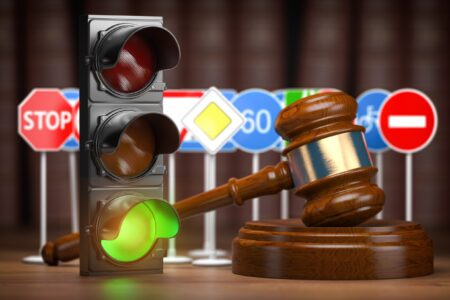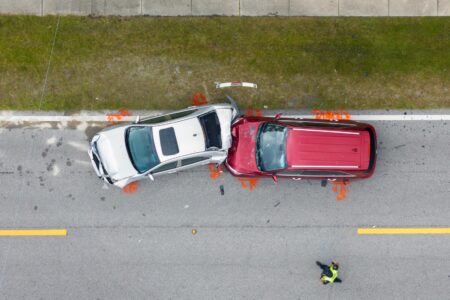

When it comes to the legal realm, understanding the differences between traffic violations and criminal charges is crucial. While both involve breaches of the law, they are distinct in terms of severity, consequences, and the legal processes they entail. This article aims to shed light on the contrasting aspects of traffic violations and criminal charges, helping you navigate the complex landscape of the legal system.
Traffic Violations: An Overview
Traffic violations encompass a range of offenses that occur while operating a vehicle on public roadways. Common examples include speeding, running red lights, and failing to yield. These violations are typically considered minor infractions and are subject to fines, points on the driver’s license, and traffic school.
Criminal Charges: A Deeper Dive
In contrast, criminal charges involve offenses that are more serious in nature and can lead to substantial legal consequences. Criminal charges encompass a broader spectrum of actions, from property crimes to violent offenses, and often require a more extensive legal process.
Key Differences Between Traffic Violations and Criminal Charges
One of the fundamental distinctions between traffic violations and criminal charges lies in the intent behind the action. Traffic violations are often the result of negligence or minor mistakes, whereas criminal charges involve intentional and more severe actions. The penalties associated with criminal charges are more severe, ranging from fines and probation to imprisonment.
Legal Processes and Protections
Individuals facing criminal charges benefit from a range of legal protections, including the right to remain silent, the right to a truck accident attorney, and the presumption of innocence until proven guilty. The burden of proof rests with the prosecution, and guilt must be established beyond a reasonable doubt.
Collateral Consequences
Apart from legal penalties, both traffic violations and criminal charges can lead to collateral consequences. Traffic violations might impact insurance premiums and coverage eligibility, while criminal charges can result in employment difficulties and the revocation of professional licenses.
When Traffic Violations Escalate to Criminal Charges
Certain traffic violations can escalate to criminal charges, especially if they result in significant harm or involve recklessness. Incidents like hit-and-runs or cases of vehicular manslaughter often lead to criminal charges due to the severity of the consequences.
Legal Representation: Do You Need It?
Individuals facing criminal charges are often advised to seek legal representation. Public defenders are available for those who cannot afford private attorneys, but the level of personal attention and expertise might vary. Private attorneys offer a tailored defense strategy, but they come with associated costs.
Navigating the Legal System
Navigating the legal system involves court appearances, plea bargains, and potential appeals. Engaging in these processes with the guidance of legal counsel can significantly impact the outcome of the case.
Understanding Traffic School and Rehabilitation Programs
For minor traffic violations, attending traffic school can help mitigate the consequences. Additionally, rehabilitation programs may be mandated for individuals facing criminal charges, aiming to prevent recidivism and facilitate reintegration into society.
Insurance Implications
Traffic violations can lead to increased insurance premiums, making it essential to drive responsibly. Certain serious criminal charges can also result in an insurance coverage denial.
Avoiding Future Violations and Charges
Educational initiatives and awareness campaigns play a crucial role in promoting safe driving behaviors. Understanding legal responsibilities as a driver can help prevent both traffic violations and criminal charges.
Case Studies: Real-Life Examples
Examining real-life scenarios, such as a speeding ticket versus a reckless driving charge, and the legal ramifications of DUI cases, provides practical insights into the legal distinctions.
Comparative Analysis: International Perspectives
Different countries treat traffic offenses and criminal charges differently. Understanding these variations is crucial, especially for those traveling internationally or living in a foreign country.
Educational Initiatives and Awareness Campaigns
Promoting safer driving behaviors through education and awareness campaigns can help reduce the incidence of both traffic violations and criminal offenses. Legal literacy empowers individuals to make informed decisions.
Conclusion
In conclusion, grasping the distinctions between traffic violations and criminal charges is paramount for anyone navigating the legal landscape. While traffic violations are often minor infractions resulting in fines and points on licenses, criminal charges carry weightier consequences, including the potential for imprisonment.
The deliberate intent behind criminal actions sets them apart from the inadvertent errors that lead to traffic violations. Throughout this article, we’ve explored the multifaceted aspects of these legal categories, delving into their varying penalties, legal protections, and collateral effects.
Legal representation, whether through a public defender or private attorney, is a crucial step when facing criminal charges, as it can significantly impact the outcome of the case. Equally important is understanding one’s legal rights and responsibilities, both as a driver on the road and as an individual navigating the justice system.
By promoting legal literacy and raising awareness through educational initiatives, societies can foster safer driving behaviors and prevent both traffic violations and criminal offenses.
Whether at home or abroad, the international perspective on these matters provides valuable insights, helping individuals avoid potential legal pitfalls when traveling or residing in foreign countries.
Ultimately, maintaining a vigilant awareness of the legal distinctions between traffic violations and criminal charges empowers individuals to make informed decisions, steer clear of legal troubles, and contribute to safer communities on the road.