Car accidents can be incredibly stressful and overwhelming experiences. Unfortunately, they are all too common in our daily lives. In addition to dealing with the shock and potential physical injuries, determining fault in a car accident can be a complicated and confusing process. Understanding who is responsible for the accident can play a significant role in insurance claims and potential legal action. In this article, we will provide you with a guide to fault in car accidents by outlining five major points to remember.
Negligence
The most common basis for determining fault in a car accident is through the concept of negligence. This means the person who acted recklessly or carelessly, resulting in the accident, will be seen as the at-fault party. There are four elements to negligence: duty of care, breach of duty, causation, and damages. Duty of care refers to the responsibility of all drivers to take reasonable precautions to avoid causing harm to others on the road. When this duty is breached by running a red light, this can cause an accident, leading to damages or injuries. If you were the victim in such a case, the perpetrator of the action would be found negligent and held responsible for the accident.
Comparative and contributory negligence
In many cases, an accident can occur due to the negligence of multiple parties. An example of this would be a collision between a car driving through a red light and another vehicle turning left on a green light. It is up to your insurance company or a judge to determine each party’s negligence. Both parties could be partially responsible for the accident, and the amount of damages that will be awarded may reflect that. This is known as comparative negligence. In some states, a slightly different approach known as contributory negligence is used, in which if an individual is at all responsible for the car accident, they may not be awarded any damages at all.
Evidence
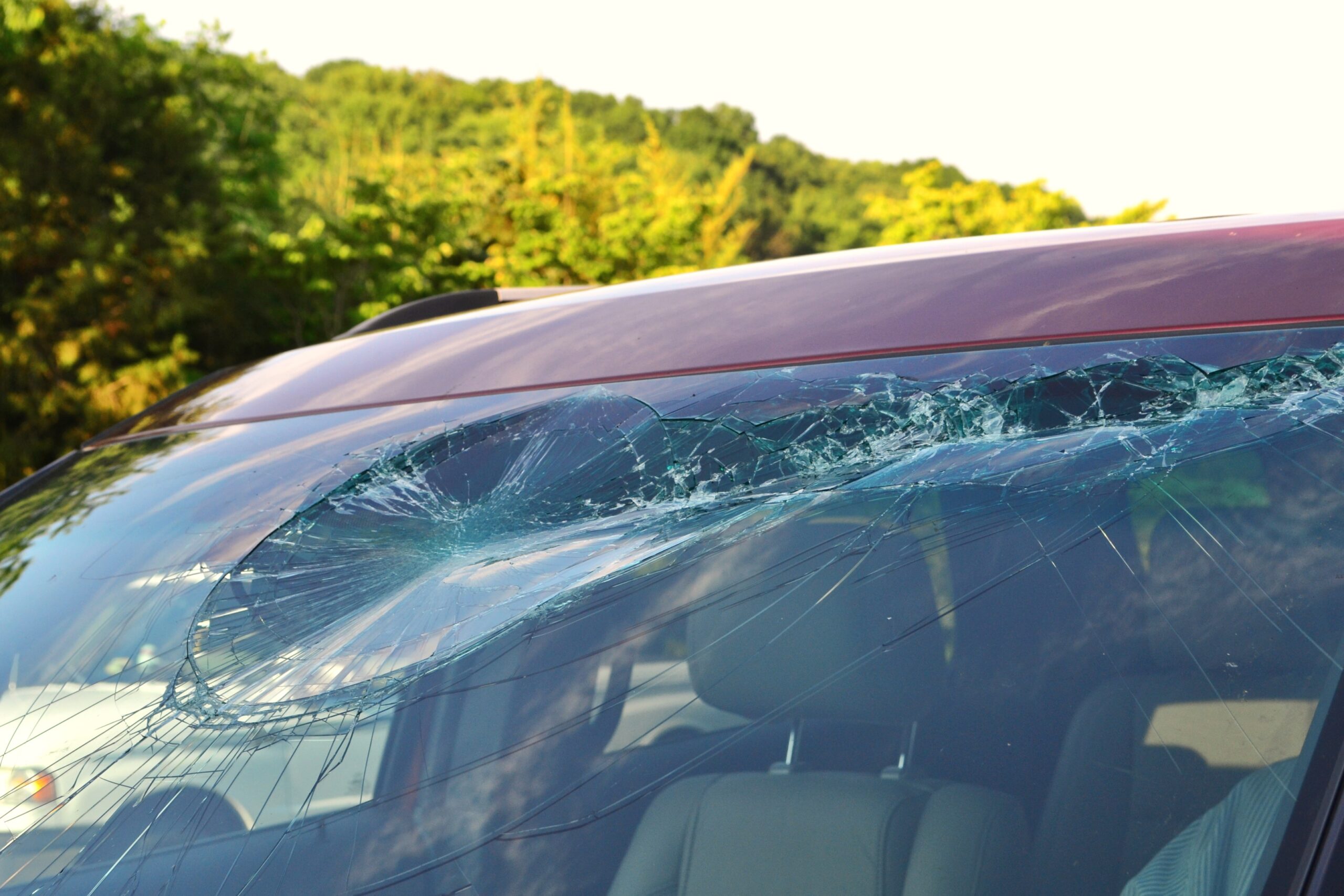
As with most legal issues, the outcome of every car accident claim will depend on the evidence provided. This includes physical evidence (such as damage to vehicles or skid marks on the road) and testimony from witnesses and law enforcement officers. If you are involved in a car accident, gather as much relevant information as possible, including photos of the damage, witness contact information, and the police report number.
Proving fault in a rear-end collision
In most cases of rear-end collisions, the trailing driver is at fault. This is because they must maintain a safe distance and speed to stop before colliding with the car in front. However, there are certain exceptions to this rule, such as when the driver of the car in front suddenly and unexpectedly slams on the brakes or when there are issues with the brake lights on the vehicle in front.
Effect of DUI
Driving under the influence of alcohol is illegal and dangerous, and in most cases, will be the deciding factor of fault in an accident. If the driver who caused the accident was under the influence, he or she will be liable for any damages. DUI drivers can face severe penalties, including criminal charges and license revocation.
Car accidents can be incredibly stressful and can cause significant damage and trauma. Understanding who is at fault in the accident is essential in determining insurance coverage and pursuing legal action. By understanding the five major points covered in this guide, you will be better equipped to navigate the often-confusing process of determining fault. If you need to contest a claim that you’re at fault for an accident, contact a skilled lawyer or attorney, such as those at Ridder Law. Remember, always prioritize your safety and ensure that you gather as much evidence as possible to make a strong case. Stay safe out on the roads!